




The Best Way To Get The Most Donations Is To Find The Right Donors
One of the enduring truths across every society is that not all organized efforts are created with profit in mind. In fact, some of the most meaningful and impactful initiatives are deliberately non-commercial, driven not by financial return but by a mission to serve others. Charities, nonprofit organizations, and humanitarian groups fall into this category. These entities dedicate time, funding, and expertise to improve lives—whether it’s by rescuing and caring for abandoned animals, supporting education for underserved children, or responding to humanitarian crises around the globe.
However, no matter how noble their mission, charitable organizations still face the same operational realities as for-profit businesses. They need funding to pay staff, run outreach programs, provide services, and maintain their infrastructures. Unlike commercial ventures, they don’t generate revenue through sales or profit margins. Instead, they must rely heavily on external funding sources, with donations playing a critical role. From small contributions by individual supporters to large-scale philanthropic giving, donor engagement is the lifeblood of any successful charitable mission.
For this reason, effectively identifying and reaching potential donors is essential. With targeted mailing lists and modern donor profiling, charitable organizations can connect with those most likely to resonate with their cause and contribute meaningfully. Strategic outreach, combined with compelling messaging, can turn awareness into action and help ensure these organizations continue to make a difference where it matters most.
A Spectrum of Impactful Causes
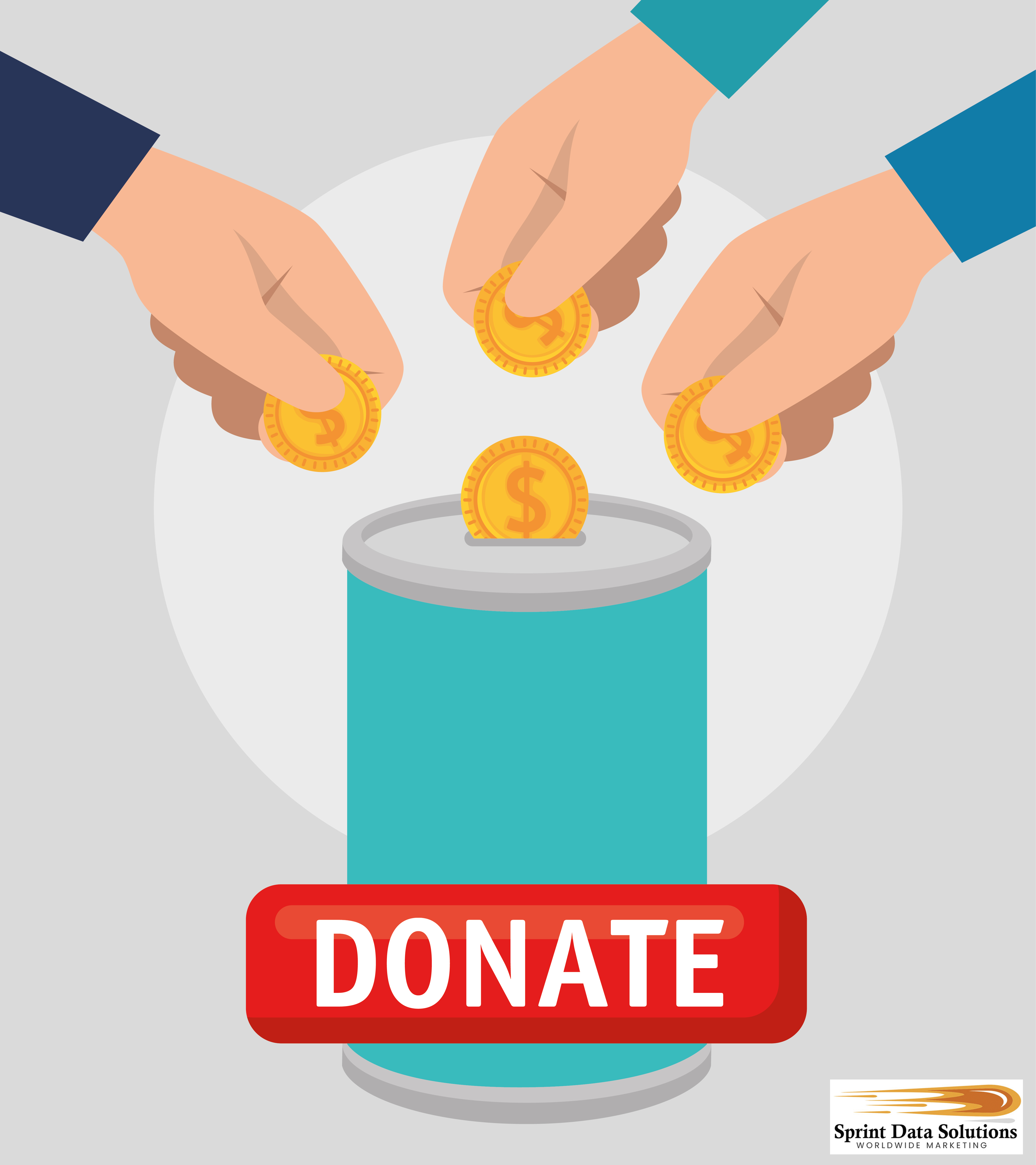
One of the greatest strengths of the nonprofit sector in the United States is the sheer diversity of causes it supports. From health and wellness initiatives to educational advancement, environmental conservation, animal welfare, disaster relief, and community development, there’s a charitable effort for nearly every aspect of American life. Even modest contributions can lead to significant outcomes when pooled together, and grassroots efforts often grow with the support of everyday individuals. In addition, many corporations and high-net-worth individuals make substantial contributions to social good through philanthropic giving, sponsorships, and matching fund programs.
Sprint Data Solutions Worldwide Marketing supports these efforts by offering access to highly targeted donor mailing lists that align with specific missions. Whether your campaign seeks to attract environmentally conscious consumers, advocate for veterans, or rally support for local youth programs, we can help you connect with the right donors who are both capable and willing to give.
Comprehensive Donor Mailing Lists
For organizations looking to expand their fundraising efforts, our donor mailing lists provide access to a vast and diverse network of past contributors. These databases include individuals and businesses across all income brackets who have previously supported a wide range of causes. From small-scale community donors to large corporate philanthropists, this list can be filtered by geographic region, donation history, cause category, household income, and more.
Whether you’re a nonprofit seeking general donors or you have a highly specialized cause, our donor mailing lists allow you to target with precision, increase engagement, and drive contributions. With the right messaging and audience, you’ll be able to cultivate meaningful relationships that fuel your mission for long-term impact.
Food Bank Donors
Access to nutritious food is a basic human need, yet millions of Americans face food insecurity due to unexpected hardships such as job loss, natural disasters, economic downturns, or personal crises. This is especially challenging for families with children, where providing three daily meals can become a struggle. Fortunately, food banks across the United States serve as lifelines, distributing groceries and essentials to those in need.
There is a large and growing network of compassionate individuals and businesses willing to step in. These food bank donors include people who contribute financially and others who give in-kind donations like canned goods, fresh produce, or even surplus inventory from food distributors. Sprint Data Solutions maintains detailed mailing lists of these donors—categorized by region, donation type, and giving frequency—making it easier for nonprofit organizations and food relief initiatives to reach and engage supporters who are already invested in fighting hunger.
Homeless Shelter Donors
Homelessness remains one of the most critical social issues affecting cities and communities across the United States. Economic instability, mental health challenges, domestic violence, and rising housing costs all contribute to individuals and families finding themselves without a place to call home. The stakes are particularly high during colder months, when exposure to the elements can lead to serious health complications or even fatalities.
Homeless shelters play a vital role in providing immediate assistance—offering not just a place to sleep, but also food, clothing, counseling, and pathways to long-term stability. Supporting these efforts are thousands of donors who give regularly, ranging from small monthly contributors to larger philanthropic organizations. Many also offer hands-on support through volunteering. Sprint Data Solutions offers highly refined donor mailing lists that identify those who have supported homelessness initiatives. These lists can be filtered by geography, donation history, religious affiliation, and interest in housing advocacy—helping organizations connect with people who are most likely to contribute to their cause and mission.
Animal Abuse Donors
Many Americans consider animals to be cherished members of the family. Whether it’s a loyal dog, a playful cat, or a more exotic companion, pets hold a special place in the hearts of their owners. Even those who don’t keep pets themselves often express compassion and concern for the well-being of animals. This widespread empathy is one of the key reasons why animal welfare causes consistently receive strong support across the United States.
Cases of animal cruelty—whether due to neglect, abuse, or abandonment—often trigger powerful emotional reactions from the public. For pet owners especially, learning about the suffering of animals can be just as heartbreaking as hearing about domestic violence or child neglect. As a result, many people are motivated to take action. They contribute financially to animal shelters, rescue organizations, and veterinary nonprofits. Others go a step further by donating food, supplies, or volunteering their time to rehabilitate abused animals and help find them permanent homes.
Sprint Data Solutions offers detailed donor mailing lists tailored to animal protection and rescue efforts. These lists can help animal-focused organizations identify and engage individuals who are likely to contribute, whether through financial gifts or direct involvement. With access to these compassionate and action-oriented supporters, outreach campaigns can build stronger connections and mobilize greater resources to protect and care for animals in need.

Women’s Shelter Donors
While significant strides have been made toward gender equality in the United States, the reality is that many women still face disproportionate levels of domestic abuse and violence. For those experiencing these traumatic situations, escaping the cycle of abuse often requires urgent, life-changing decisions. Unfortunately, leaving an unsafe environment frequently means losing access to housing, income, and support networks.
Women’s shelters are essential resources in these moments of crisis. They provide more than just a temporary roof—they offer protection, emotional support, legal advocacy, and access to counseling and job resources to help women rebuild their lives. These facilities depend heavily on outside support to function. Individuals who feel strongly about protecting vulnerable women and children are often eager to contribute through financial donations, clothing drives, or volunteer services. Sprint Data Solutions offers specialized donor mailing lists for organizations serving women in crisis, enabling focused outreach to those most likely to support these life-saving initiatives.
Emergency Disaster Relief Donors
From wildfires in California to hurricanes in the Gulf Coast and tornadoes across the Midwest, natural disasters can strike anywhere in the U.S.—often with little warning. These catastrophes leave behind a trail of destruction, displacing families, destroying homes, and cutting people off from basic necessities like clean water, electricity, and shelter.
In the face of such widespread devastation, disaster relief organizations mobilize to provide emergency aid. However, their ability to respond quickly and effectively hinges on public support. Americans consistently demonstrate generosity in these times, donating everything from money and emergency supplies to their own time as volunteers. The desire to help those suffering through no fault of their own is deeply rooted in the national spirit of compassion and solidarity.
Sprint Data Solutions offers well-segmented donor mailing lists tailored to emergency disaster relief efforts, helping nonprofits and aid organizations reach those who are most likely to respond. These lists can be filtered by prior giving behavior, geographic location, or cause-specific interest, ensuring faster mobilization and more effective campaigns during urgent crises.
Corporate Donors
Philanthropy is not limited to individuals—corporations play a major role in supporting charitable causes across the United States and internationally. Many companies have built corporate social responsibility (CSR) programs into their business models, with donation strategies that offer both goodwill and tax incentives. These contributions not only support communities in need but also strengthen the brand image and public reputation of the business itself.
In addition to monetary gifts, corporate giving often includes in-kind donations, which can be especially impactful. For example, a logistics company might offer free transportation of relief supplies during a natural disaster, or a tech firm might provide hardware and software to schools or nonprofit groups. In certain situations, what a company produces or specializes in can be far more immediately useful than cash. Food and beverage companies, construction firms, clothing brands, and healthcare suppliers all have the capacity to offer tangible aid when time is critical. Sprint Data Solutions provides well-vetted corporate donor lists that can be segmented by industry, geographic scope, company size, and previous donation activity, helping nonprofit campaigns engage with the most appropriate business partners for their mission.
Medical Donors
Healthcare continues to be one of the most urgent and emotionally resonant areas of need in the United States. Whether it’s a child in need of life-saving surgery, an adult facing a cancer diagnosis, or entire communities affected by public health crises, the need for medical support is ongoing and often overwhelming. In many cases, people are underinsured or face financial hardship that prevents them from accessing essential treatment.
Fortunately, a large and active community of medical donors is committed to improving health outcomes for others. Some give to individual patients through crowdfunding platforms, while others contribute to research organizations, hospitals, clinics, or global health nonprofits working to fight diseases like cancer, ALS, Parkinson’s, and Alzheimer’s. Others support organizations providing prosthetics, physical therapy, or surgeries that can restore quality of life. This is a diverse donor base, ranging from private individuals with a personal connection to a cause, to institutional supporters looking to drive systemic change.
Sprint Data Solutions offers carefully curated medical donor mailing lists that can be filtered by cause interest, donation history, geographic region, income bracket, and more. These lists are ideal for targeting individuals and organizations who are most likely to respond to campaigns centered on healthcare access, medical innovation, or patient advocacy—helping you build a support base committed to saving and improving lives.
Special Issues Donors
Some causes don’t always fall into the traditional categories of charity but still require immediate attention or consistent support due to their sociopolitical relevance or time-sensitive nature. These may include high-profile emergencies—such as a child rescue operation that necessitates funding for specialized equipment and crew support—or longer-term advocacy campaigns for issues that regularly make headlines.
These “special issues” often attract passionate donors who care deeply about specific topics such as civil rights, gender equality, freedom of religion, or public policy debates. Causes related to pro-life and pro-choice advocacy, gun rights and gun control, climate action, immigration, and free speech are examples where deeply held beliefs fuel a willingness to contribute. Because these issues are often tied to public sentiment and national discourse, donor response can be both rapid and generous—especially when tied to a current event. Sprint Data Solutions provides specialized mailing lists for donors aligned with specific political, ethical, or advocacy-driven campaigns. These lists can be segmented by issue interest, political affiliation, donation history, and geographic region to maximize outreach effectiveness.
Veteran Support Donors
America’s veterans are widely honored for their service and sacrifice, but the transition back to civilian life can be fraught with challenges—physical injuries, PTSD, unemployment, and homelessness are just a few of the hurdles many veterans face after their military careers end. Unfortunately, public systems don’t always provide the level of care these individuals need, leaving many veterans without access to critical resources.
That’s why veteran-focused charities and nonprofit groups play such a vital role in supporting those who’ve served. These organizations offer housing assistance, job placement services, mental health counseling, legal advocacy, and rehabilitation programs. They rely heavily on donors who recognize the value of giving back to those who have given so much. Sprint Data Solutions maintains donor lists tailored specifically for veteran support initiatives, including individuals with a history of supporting military causes or patriotic campaigns. These lists can be filtered by donor type, region, income level, and personal or family military background, ensuring your outreach reaches the most likely supporters.
COVID-19 Donors
The emergence and spread of COVID-19 over the past several years triggered an unprecedented global health crisis, reshaping nearly every aspect of life and business operations in the United States and beyond. While the most severe periods of the pandemic may be behind us, the long-term impact continues to reverberate. More than a million Americans have lost their lives to COVID-19, leaving countless families grieving and communities disrupted. However, the consequences go beyond mortality—millions more survived the virus only to face lasting, life-altering symptoms that continue to affect their quality of life.
Among the most concerning developments is the rise of Long COVID, a chronic post-viral condition marked by persistent symptoms such as shortness of breath, severe fatigue, chest pain, heart palpitations, and cognitive impairments commonly referred to as “brain fog.” These ongoing health challenges may not be immediately life-threatening, but they are often disabling, stripping individuals of their ability to work, attend school, or perform routine daily activities. For many, Long COVID has created a new form of invisible disability that affects physical, mental, and emotional well-being.
As a result, a growing segment of the population—many of whom were previously healthy and fully employed—now find themselves struggling financially and medically. They may require long-term assistance, rehabilitation, and new accommodations in both professional and social settings. Recognizing this, numerous charitable organizations have begun focusing on COVID-19 recovery and support initiatives, targeting not only medical research but also financial aid, employment assistance, and mental health services for affected individuals. Donors who wish to help in this emerging field can now direct their contributions to Long COVID support organizations, disability advocacy groups, and health foundations committed to improving the lives of those impacted by post-viral syndromes.
Paralysis Donors
Across the United States, many individuals experience partial or full loss of mobility—a life-altering condition that most people rarely consider until it affects them or a loved one. These disabilities can arise from a wide variety of causes, including congenital conditions, traumatic injuries, neurological disorders, or diseases like multiple sclerosis or ALS. Some individuals experience limited impairment, such as partial paralysis affecting fine motor skills in the hands or feet. Others may suffer more extensive damage that severely restricts daily function.
In more serious cases, paraplegia—paralysis of the lower body—requires full-time use of a wheelchair and significant lifestyle modifications. The most severe form, quadriplegia, results in the loss of mobility from the neck down, often confining individuals to beds and requiring around-the-clock care. People living with these conditions face enormous challenges, including medical expenses, rehabilitation therapy, assistive technology needs, home modifications, and ongoing caregiving costs. Unfortunately, many do not have access to sufficient funding through insurance or public programs to cover these burdens.
This is where public compassion and charitable support become essential. Donations and community-driven assistance can provide life-sustaining relief for those who are paralyzed, helping them afford essential equipment like wheelchairs, motorized beds, personal aides, or adaptive communication devices. In many cases, these contributions mean the difference between maintaining independence and falling into extreme poverty—or even homelessness. Sprint Data Solutions offers carefully curated donor mailing lists that connect advocacy organizations and support campaigns with individuals and institutions most likely to support mobility-impaired communities. These targeted outreach efforts are crucial in ensuring that every person, regardless of physical ability, has access to a dignified and supported life.
Special Olympics Donors
The traditional Olympic Games are a global celebration of peak human performance—athletes pushing the boundaries of physical achievement and setting records that inspire millions. The Special Olympics, while less publicized, represent an equally powerful celebration of human strength and resilience. What sets them apart is the context: athletes competing not despite disadvantage, but often because they’ve overcome significant intellectual or physical disabilities that challenge daily life far beyond the athletic field.
From track events and swimming competitions for individuals with cognitive impairments to wheelchair basketball tournaments and powerlifting for athletes with physical disabilities, the Special Olympics showcases courage, determination, and unity. It provides an empowering platform for individuals who are frequently excluded from traditional sporting narratives, offering them a chance to excel, connect with others, and gain the recognition they deserve.
Unlike the highly commercialized Olympic Games, however, the Special Olympics does not receive the same level of media attention, sponsorship, or funding. Its success and continued growth depend heavily on volunteers, community involvement, and charitable donations. Contributions help fund athlete training, travel accommodations, accessibility equipment, and local program development, ensuring that participants from all walks of life can compete on a level playing field. Across the country, many Americans resonate with the mission of inclusion and empowerment, and are eager to support a cause that allows disabled individuals to shine with pride, dignity, and joy. Through targeted donor outreach, organizations supporting the Special Olympics can connect with those who are most inspired to contribute to this extraordinary movement.
Children’s Lunch Program Donors
It is often said that children are the cornerstone of a nation’s future, and ensuring they receive a quality education is critical to long-term societal success. However, education alone isn’t enough. Nutrition plays a vital role in a child’s ability to learn, concentrate, and perform academically. A child who arrives at school hungry may struggle to pay attention in class, participate in activities, or retain information—not because of lack of ability, but due to unmet basic needs.
For many low-income families, even daily essentials like meals can become difficult to provide. With competing expenses such as rent, utilities, and medical costs, food security often becomes a painful sacrifice. To help address this need, school-based lunch programs and nonprofit feeding initiatives offer critical support. These programs ensure that children from underserved households can access at least one healthy, balanced meal during the day—providing both nourishment and peace of mind.
Running these programs, however, requires a steady stream of resources, from fresh ingredients and kitchen equipment to staffing and transportation logistics. That’s where charitable giving makes a significant impact. Donations help bridge the gap, allowing schools and support organizations to reach more children, improve meal quality, and expand services to include breakfast or take-home meals. For donors who believe in supporting childhood development and educational equity, contributing to child nutrition programs is one of the most effective ways to make a long-lasting difference.
Unwed Mother Donors
While the idea of the traditional nuclear family still holds cultural significance for many Americans, real-life circumstances are often far more complex. Across the country, countless women find themselves raising children alone—not by choice, but due to traumatic events such as domestic abuse, abandonment, or, in the most tragic cases, sexual assault. These women, despite their resilience, face the enormous task of parenthood without the emotional, logistical, or financial support of a partner.
Single motherhood under such circumstances is a daunting journey, requiring strength, sacrifice, and constant dedication. In addition to healing from trauma, these women are responsible for meeting the day-to-day needs of their children—often while juggling employment, education, and healthcare challenges. Fortunately, there is a strong current of compassion in American society, and many individuals and organizations believe that no woman or child should be left behind simply because of the hardships they’ve endured.
Charitable donations can play a pivotal role in helping unwed mothers create a stable and nurturing environment for their children. These contributions may provide access to safe housing, childcare, job training, counseling, or emergency resources that ensure both mother and child can thrive. By supporting these families, donors are not just helping individuals—they are investing in the next generation and creating pathways for children to grow up with dignity, safety, and opportunity. Sprint Data Solutions offers targeted donor mailing lists that enable support organizations to reach Americans most likely to be moved by this cause and ready to make a meaningful difference.
Church Donors
Faith continues to play a significant role in the lives of many Americans, though the religious landscape has become increasingly diverse. While Christianity remains the most widely practiced religion in the United States, it encompasses a broad spectrum—from longstanding traditions like Catholicism and mainline Protestant denominations to uniquely American expressions such as Evangelical Christianity and the Church of Jesus Christ of Latter-day Saints (Mormonism).
In addition to Christian denominations, the country is home to vibrant communities practicing Judaism, Islam, Buddhism, Hinduism, and other spiritual paths, many of which have grown due to immigration and evolving cultural identities. Despite the differences in theology and tradition, one constant across most faith-based organizations is their nonprofit status. Religious institutions rely heavily on the generosity of followers and supporters to fund worship spaces, community outreach, charitable missions, education programs, disaster relief, and support for vulnerable populations.
For those who adhere to a particular faith, donating to religious institutions and causes is often seen not just as charity, but as a spiritual duty or moral calling. Because of this, outreach efforts from churches, mosques, synagogues, temples, and interfaith nonprofits can be highly successful when directed toward the right individuals. Sprint Data Solutions offers highly segmented donor mailing lists that align religious causes with likely supporters—whether by denomination, geographic region, cultural background, or past giving behavior. These tools allow faith-based organizations to strengthen their outreach, expand their impact, and continue fulfilling their missions of service and community support.

How We Can Help
Sprint Data Solutions Worldwide Marketing offers multi-channel access to verified contact points, enabling organizations to reach their target audiences through the platforms that matter most. Whether your campaign requires physical mailing addresses, landline or mobile phone numbers, corporate contacts, or personalized email data, our database solutions are designed to support your marketing across direct mail, telemarketing, SMS/text campaigns, and digital outreach efforts. For businesses aiming to engage on a more personal level, we can even provide cellular numbers for mobile-based marketing strategies, offering real-time connection with qualified prospects.
What sets our services apart is the ability to customize data based on both geographic and demographic parameters. Our clients can define their campaign scope from a nationwide level to a hyper-local neighborhood, ensuring they reach the right audience—whether in a major metropolitan area or a specific ZIP code. Additionally, we provide robust demographic segmentation capabilities, enabling outreach by age, gender, ethnicity, income bracket, education level, and religious affiliation. Campaigns can be further refined by behavioral and interest-based filters, such as past donation activity, preference for child-focused, medical, animal welfare, or faith-based charitable causes, and even donor frequency or average contribution size.
Whether you’re a nonprofit seeking donor engagement or a business launching a cause-driven campaign, Sprint Data Solutions Worldwide Marketing delivers the data-driven tools you need to maximize impact. Our commitment to accuracy, ethical data sourcing, and campaign customization makes us a trusted partner for successful outreach.
Contact us today to access the targeted donor lists and marketing intelligence that can elevate your mission and results.