





Boat Owners Are An Excellent Target Market
Boat owners represent a unique and dynamic consumer demographic, defined by their adventurous spirit, appreciation for nature, and desire for meaningful leisure experiences. Owning and operating a boat is more than a hobby—it’s a lifestyle choice that reflects a love for independence, outdoor exploration, and personal freedom. Many boat owners are skilled navigators, avid anglers, and active participants in outdoor recreation. Others enjoy hosting friends and family aboard for memorable days under the sun, or embarking on extended voyages along coastlines, rivers, and open waters.
Because of their strong lifestyle values and engagement with high-investment hobbies, boat owners are prime prospects for a wide array of industries—from marine equipment and luxury goods to outdoor apparel, travel, and insurance. However, connecting with this niche group can be a challenge using broad or passive marketing approaches, as they are often mobile, off-grid, and focused on living in the moment.
That’s where Sprint Data Solutions Worldwide Marketing comes in. Our curated boat owners mailing list is designed to help your business cut through the noise and reach these high-value consumers directly. Our data includes detailed demographic insights, allowing you to tailor your messaging based on lifestyle, income level, location, and boating behavior. Whether you’re promoting specialized products, exclusive services, or experiences that align with their interests, our data empowers you to craft campaigns that resonate and deliver measurable results.
Boating Is Rapidly Expanding Across the U.S.
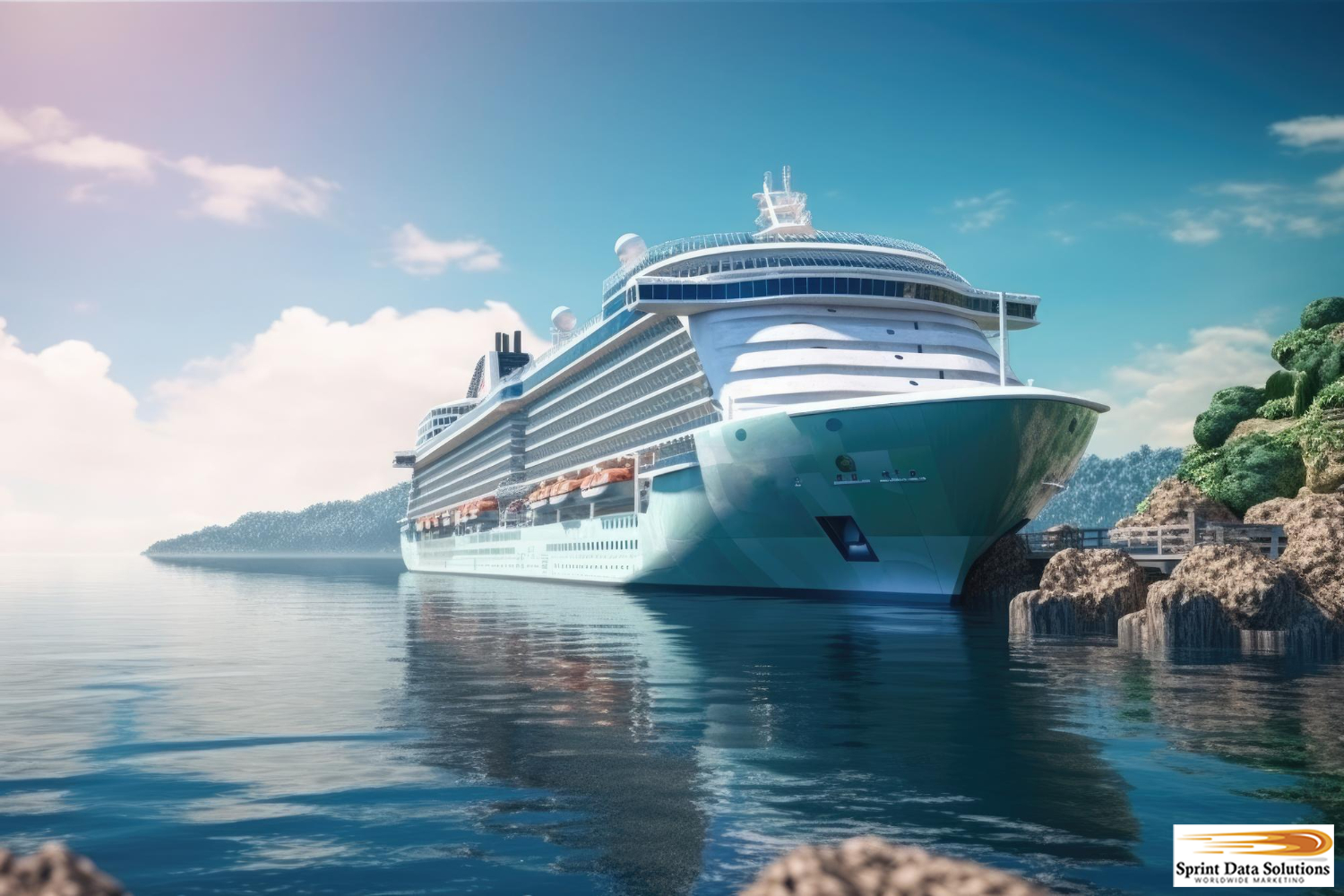
The recreational boating industry in the United States is experiencing significant momentum. Valued at $16.26 billion in 2021, the sector is projected to exceed $26 billion by 2027, growing at a compound annual growth rate (CAGR) of over 8%. This growth is fueled by the increasing appeal of water-based leisure, advancements in marine technologies (such as GPS navigation, electric propulsion, and onboard connectivity), and a surge in domestic tourism and outdoor lifestyle trends. In addition to personal recreation, boats are increasingly used for commercial ventures like waterfront dining, eco-tourism tours, and corporate client entertainment, opening new opportunities for businesses across multiple sectors.
Key Boat Owner Demographics
Recreational boating has now become a staple pastime for millions. More than 100 million Americans participate in boating activities annually, making it one of the country’s most popular forms of outdoor recreation. Approximately 12% of U.S. households currently own a boat. The average boat owner is around 54 years old, but younger demographics—particularly millennials—are entering the market in greater numbers, now accounting for 31% of ownership.
Boat owners are typically financially stable, spanning both upper-middle and high-income brackets. While 61% earn less than $100,000 annually, the segment also includes a large number of high-net-worth individuals who invest in larger vessels and luxury boating services. Ownership costs, including maintenance, docking, insurance, and equipment, average between $5,000 and $8,000 per year. Additionally, online platforms have streamlined the purchasing process, making it easier than ever to acquire a boat—further contributing to the rapid expansion of this dynamic industry.
Boat Owners Are The Ideal Market For Many Industries
Boat owners represent a high-value, lifestyle-oriented consumer segment, making them an exceptional target market for a wide range of industries. These individuals are not only passionate about recreation and the outdoors, but they also tend to have disposable income and a strong interest in quality products and services that enhance their boating experience and overall lifestyle.
If your business operates in any of the following industries, our boat owners mailing list can be a game-changer for your marketing efforts:
Boat Insurance
Operating a boat comes with unique risks, which is why most U.S. states mandate at least basic liability coverage for watercraft. In addition to standard liability for bodily injury (BI) and property damage (PD), many boat owners opt for full coverage policies that include collision and comprehensive (comp) protection to safeguard their investment.
Additional policy options such as medical payments (MedPay), personal injury protection (PIP), coverage for personal belongings onboard, and towing or roadside assistance are especially appealing to boat owners who regularly engage in outdoor recreation like fishing or remote excursions. With their strong interest in both safety and reliability, boat owners represent a highly receptive audience for insurers offering customizable and robust coverage packages.
Travel And Tourism
Boating and travel go hand-in-hand, making boat owners a prime market for the tourism and hospitality industries. Many boaters plan extensive trips along rivers, lakes, and coastlines, often seeking accommodations that offer dock access, trailer-friendly parking, or proximity to public marinas.
Our boat owners mailing list is ideal for targeting this mobile, adventure-seeking group. From lakeside lodges and oceanfront resorts to short-term rentals near fishing hot spots or national parks, accommodations that cater to boaters are in high demand. Furthermore, businesses offering eco-tours, guided fishing or diving expeditions, wilderness camping, or outdoor sporting events stand to benefit significantly by reaching out to this active and experience-driven demographic.
Docks
Larger watercraft such as yachts, cabin cruisers, houseboats, and pontoons are typically kept on the water rather than trailered for convenience and safety. These boat owners often rely on rented or privately owned docks for long-term mooring. Some invest in custom dock installations for personal waterfront properties, while others lease slips in marinas or public docking facilities on popular waterways. In either case, dock accessibility and functionality—such as boat lifts, lighting, and power hookups—are critical. Our boat owners mailing list is a powerful resource for dock manufacturers, marina operators, and service providers aiming to reach this niche but lucrative audience.
Boat Storage
For owners of trailered boats who don’t store their watercraft at a dock year-round, off-season and at-home boat storage becomes essential. Boat owners frequently use indoor self-storage units, secure outdoor storage facilities, or purpose-built carports to protect their investment from weather damage, theft, and wear. This creates a high demand for related storage solutions, including waterproof covers, jack stands, trailer locks, boat lifts, and storage hoists—especially for smaller crafts like kayaks and jet skis. Businesses in the marine storage sector can greatly benefit from targeting this market with offerings that prioritize convenience, protection, and durability.
Tow-Capable Vehicles
Transporting a boat safely requires vehicles with sufficient towing capacity. Many boat owners invest in full-size trucks, SUVs, or utility vehicles capable of handling heavy boat-trailer combos, often outfitted with towing packages and reinforced hitches. Even smaller boats like bass boats or personal watercraft still necessitate vehicles with sufficient torque and trailer stability. In addition to hauling their vessels, these vehicles often serve as mobile bases for recreational gear, coolers, and fishing equipment. Automotive dealers, aftermarket parts suppliers, and tow equipment providers will find excellent ROI when marketing to boat owners in need of reliable, powerful transportation solutions.
Boat Trailers, Vehicle Hitches, And Other Vehicle Accessories
Towing a boat requires more than just a capable vehicle—it also depends on having the right trailer and hitch setup. Boat owners often invest in high-quality trailers designed for specific hull types and sizes, as well as hitches rated for the weight of both the boat and trailer. Routine towing creates extra stress on a vehicle’s drivetrain, tires, brakes, and suspension, which means more frequent maintenance and specialized services are often necessary. This opens up opportunities for service centers, parts retailers, and aftermarket accessories providers. Businesses offering reinforced hitches, trailer stabilizers, brake controllers, and load-balancing systems can tap into this market with targeted outreach using our verified boat owners mailing list.
Boating Safety Gear
Safety is a top priority for responsible boat owners, especially when transporting family, guests, or venturing far from shore. Essential safety equipment goes beyond the basics, encompassing U.S. Coast Guard-approved life jackets, wearable personal flotation devices (PFDs), and throwable rescue cushions. Many boat owners also keep their vessels equipped with air horns, visual distress signals such as flares or flags, and fire suppression tools like marine-rated extinguishers. Additional necessities include waterproof first aid kits, emergency beacons, navigation lights, and floating flashlights. Retailers and manufacturers specializing in marine safety supplies can benefit greatly by targeting this market segment with high-quality, regulation-compliant gear designed for peace of mind on the water.
Communication Devices
Reliable communication is essential for safety and navigation on the water. Boat owners frequently invest in VHF marine radios for short-range ship-to-ship or ship-to-shore communication. These radios are critical during emergencies, allowing boaters to call for assistance from the Coast Guard or nearby vessels. For longer distances or offshore voyages, satellite phones and emergency locator beacons (EPIRBs and PLBs) are becoming increasingly popular, especially in areas with no cellular coverage. Marine intercom systems, AIS transponders, and integrated communication-GPS hybrids are also growing in use. Our boat owners list is a valuable resource for vendors offering communication technologies that prioritize safety and connectivity on open waters.
Navigation Tools
Navigating the waterways—whether inland lakes, rivers, or coastal passages—requires specialized tools. While some boaters still appreciate traditional navigation methods like paper charts, magnetic compasses, and sextants, others rely on advanced digital systems. GPS chartplotters, sonar fish finders, radar systems, and autopilot devices are now common onboard equipment. Many vessels also use hybrid navigation setups combining satellite imagery with depth and tide data for accurate real-time positioning. For businesses offering analog and digital marine navigation tools, our targeted boat owner database provides a direct line to customers with a high likelihood of purchase.
Outdoor Gear
Boaters are often deeply engaged in outdoor lifestyles and recreational sports. Their affinity for nature makes them prime consumers for fishing, camping, hunting, and adventure gear. From premium fishing tackle, bait kits, and fish finders to all-weather camping gear like portable grills, sleeping systems, and waterproof tents—these customers are always upgrading their setups. Hunters with boats frequently explore remote areas, making products like duck blinds, high-end optics, waterproof waders, and hunting rifles essential. Outfitters and outdoor brands can significantly boost their reach and returns by marketing directly to this versatile and enthusiastic group of outdoor consumers.
Boat Maintenance Tools
Keeping a boat in top condition requires consistent upkeep and the right tools. Many boat owners prefer to handle maintenance themselves to ensure quality and reduce costs. This includes using standard hand tools such as torque wrenches, pliers, socket sets, and screwdrivers, as well as marine-specific equipment like rigging knives, prop pullers, anodes, and moisture meters to detect hull water intrusion. Engine-powered boats require regular oil changes, fuel filter replacements, and battery maintenance, making items like marine-grade oils, lubricants, fuel stabilizers, and charging kits essential. For safety and readiness, boaters also carry emergency tools such as LED waterproof flashlights, fire extinguishers, and visual signal flares—gear that professional shops and retailers can market directly with our targeted boat owners list.
Boat Accessories
Beyond functionality, boaters enhance comfort and performance with specialized marine accessories. Unlike home furniture, onboard fixtures need to withstand constant motion, exposure to the elements, and salt or freshwater conditions. That’s why boaters often purchase marine-rated seating, folding tables, cup holders with non-slip mounts, and weatherproof storage bins. Essential operational accessories include durable dock lines, non-corrosive anchors, helm mats, and fenders. Electric accessories like deep-cycle batteries, solar chargers, bilge pumps, and waterproof speakers are also popular. For sailboats, necessary add-ons may include winches, sails, marine decking, and mooring equipment. Our curated boat owner contact list helps suppliers, marine shops, and manufacturers target this accessory-hungry demographic with precision.
Alcohol
For many boat owners, especially those with leisure vessels like yachts and pontoon boats, socializing on the water is a primary activity. Alcoholic beverages are often at the center of these gatherings, with preferences ranging from craft beers to fine wines and champagne. These consumers also seek out premium drinkware and accessories to elevate the experience. Insulated tumblers, marine-grade coolers, portable ice makers, wine chillers, and floating drink holders are popular choices. Additionally, branded koozies and personalized barware make great upsell items. Alcohol distributors, beverage brands, and accessory manufacturers can successfully market to this niche with our targeted boat owner lists.
Watersport Gear, Games, And Toys
Boat ownership often goes hand-in-hand with an active, fun-filled lifestyle. Many boaters enjoy recreational watersports like tubing, wakeboarding, and water skiing. Equipment such as tow ropes, towable inflatables, kneeboards, and life vests are always in demand. For those in coastal or deep-sea environments, gear for snorkeling, diving, and spearfishing is highly sought after. Families and groups also gravitate toward floating islands, water volleyball nets, and underwater scooters. Brands that offer durable, innovative watersport equipment or waterproof gadgets and games will find a responsive audience by targeting our robust boat owners database.
The Four Classes Of Boats
Boats are classified primarily by their length, which influences licensing requirements, storage options, and suitable equipment. Class A boats, under 16 feet, include small fishing boats, dinghies, and personal watercraft like Jet Skis. Class 1 boats, measuring 16 to 26 feet, are typically used for freshwater recreation, fishing, and day cruising. Class 2 boats, at 26 to 40 feet, include cabin cruisers and large pontoons capable of hosting extended trips with sleeping quarters. Class 3 vessels, ranging from 40 to 65 feet, include luxury yachts and offshore fishing boats. Boats exceeding 65 feet, but weighing under 300 gross tons, fall under the Small Research Vessel (SRV) category, while larger ones may be classified as superyachts or commercial marine vessels. Understanding these categories helps manufacturers, service providers, and accessory retailers offer the right solutions to the right owners.
The Different Boat Categories
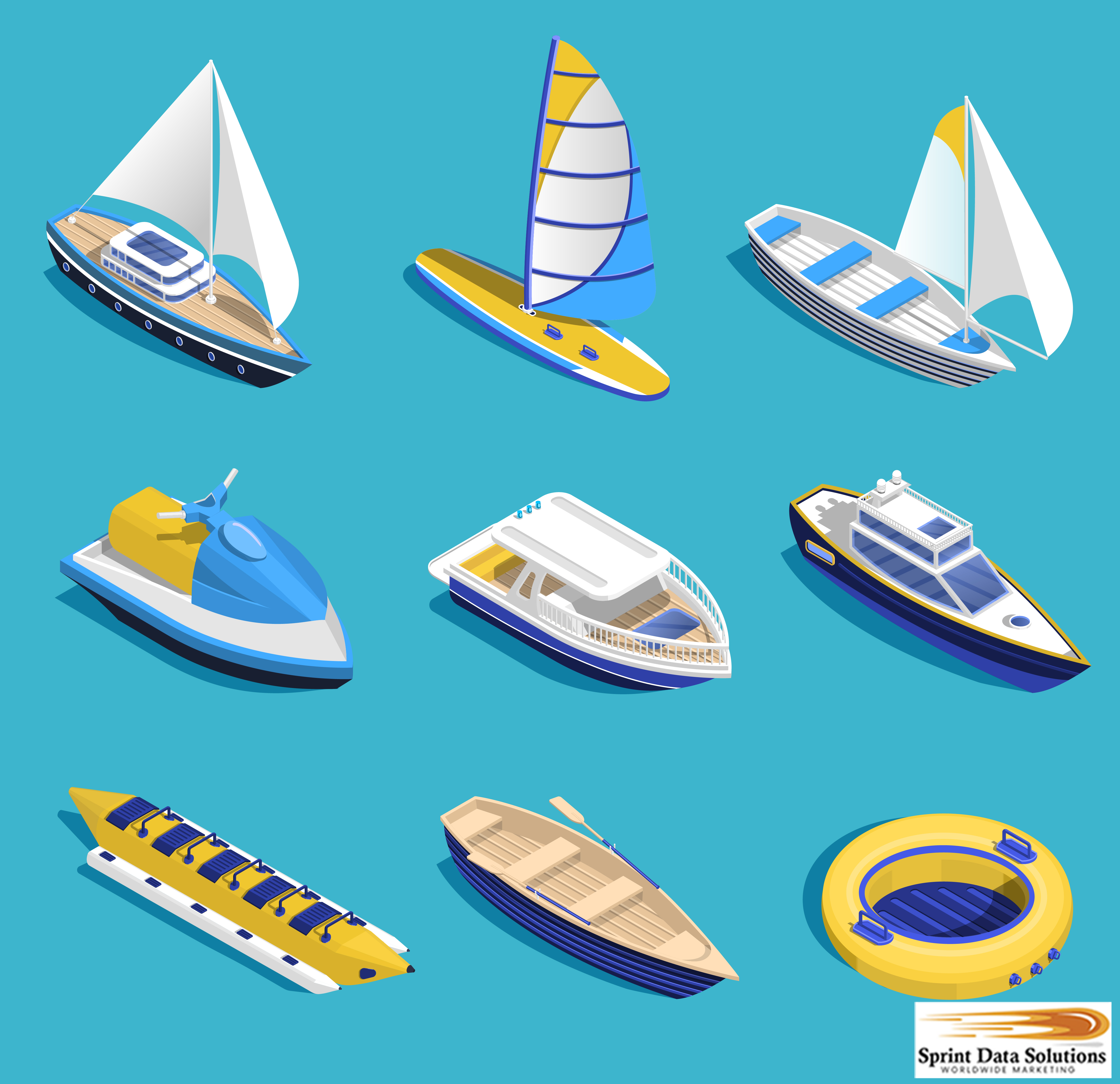
Boats are generally grouped into three major propulsion types, each serving distinct purposes and user preferences. The first is human-powered boats, which include canoes, kayaks, paddleboards, and rowboats. These are powered manually using oars or paddles, often favored for fitness, recreation, or navigating smaller bodies of water. The second is motorized boats, including speedboats, fishing boats, pontoons, and cruisers. These use internal combustion engines (gas or diesel) or increasingly popular electric motors. They offer higher speed and convenience for long-distance or performance-based use. Lastly, there are wind-powered boats, such as traditional sailboats, catamarans, and sloops, which use sails and wind dynamics for propulsion. Many modern boats combine two systems—for example, a sailboat with a small auxiliary motor for docking or emergencies. In addition to propulsion types, boats are also categorized based on their performance and seaworthiness into four European Union-recognized categories, which reflect their ability to handle specific sea and weather conditions.
Category A: Ocean Class Boats
Category A boats, or Ocean Class boats, are designed to operate safely in open-sea conditions, far from the coast, and in environments where wind forces can exceed Beaufort Scale 8 (over 40 knots) and wave heights may surpass 13 feet (4 meters). These boats are built to withstand extended voyages across oceans, making them ideal for global circumnavigation, deep-sea fishing, and long-distance cruising. They are engineered with robust structural integrity, superior navigation systems, and self-sufficiency features such as sleeping quarters, galleys, freshwater storage, and power generation. Owners of Category A vessels tend to be seasoned mariners, often retirees or affluent professionals, with a passion for serious offshore adventures and the resources to invest in top-tier marine technology. These characteristics make them ideal consumers for luxury gear, high-end marine insurance, and long-range travel services.
Category B: Offshore Class Boats
Offshore class boats are built for more serious excursions but are not intended for transoceanic voyages. These vessels are designed to handle conditions with wind speeds up to Beaufort Force 8 (34–40 knots) and wave heights up to 13 feet (4 meters), making them reliable for open water travel within about 200 nautical miles of shore. They are well-suited for boating enthusiasts who enjoy saltwater fishing, diving, or extended day trips along coastal regions. These boats tend to include larger deck space, advanced navigation systems, and enhanced safety features. Owners of offshore class boats often belong to higher income brackets, and they regularly invest in accessories like fish finders, radar systems, premium rods and reels, and on-board refrigeration for extended use.
Category C: Inshore Class Boats
Inshore class boats are ideal for cruising within bays, estuaries, inland waterways, and near-coast environments. They are designed to operate safely in conditions up to Beaufort Force 6 (22–27 knots) and wave heights up to 7 feet (2 meters). These boats are widely popular among recreational users, especially for family outings, watersports, and inshore fishing. Typically ranging from 16 to 28 feet, these boats offer ease of transport, storage, and handling, making them perfect for trailerable use. Owners tend to be active weekenders, hobbyist anglers, and water-loving families looking for comfort and performance in more protected environments. Accessories such as towable water toys, coolers, Bimini tops, and fish tanks are popular among this group.
Category D: Coastal Water, Inland, and Sheltered Waters Class Boats
Category D boats are built for the calmest water conditions, designed to handle winds below Beaufort Force 4 (13–17 knots) and waves less than 1.5 feet (0.5 meters). These are typically lightweight vessels used on small lakes, canals, sheltered bays, and rivers. Examples include canoes, jon boats, dinghies, and compact motorboats. These boats are especially favored by entry-level boaters, solo adventurers, and nature lovers who value peace and simplicity over speed or power. This class appeals to outdoor recreation markets, including kayakers, birdwatchers, and beginner anglers. Brands marketing paddling gear, safety wear, eco-friendly propulsion systems, and beginner boating education can all benefit from targeting this group.
Types Of Boats
You’ll discover a diverse range of boat owners across our comprehensive boat owner contact list, each representing various boating lifestyles and preferences. Our database includes verified contacts for individuals who own different types of watercraft—perfect for targeting the right demographic based on your specific product or service offering.
Some of the boat types represented in our list include:
- Bowrider Boats
- Cabin Cruiser Boats
- Canal Boats
- Canoes
- Center Console Boats
- Cigarette Boats
- Cuddy Cabin Boats
- Deck Boats
- Dinghies
- Fishing Boats
- Houseboats
- Inflatable Boats
- Jon Boats
- Kayaks
- Motorboats
- Pontoon Boats
- Rowboats
- Sailboats
- Ski Boats
- Skiffs
- Speedboats
- Trawlers
- Tugboats
- Yachts
Tap Into The Growing Market Of Boat Owners
Sprint Data Solutions Worldwide Marketing was proudly established in Las Vegas by a dedicated Service-Disabled Veteran with a mission to empower American businesses through precision-driven marketing. Since our founding, we’ve built one of the most expansive and dynamic databases available, offering an exceptional variety of specialty contact lists designed to enhance the effectiveness of direct marketing efforts, including direct mail, telemarketing, and email campaigns.
What sets our database apart is not just its scale, but its depth and refinement. Each list contains multi-dimensional profiles that go beyond simple contact details. We provide robust demographic data such as age, gender, income, and geographic location, but we also dig deeper with psychographic insights—covering consumer attitudes, motivations, personal values, and purchasing behaviors. Additionally, our lists include lifestyle markers like hobbies, interests, household status, and digital engagement tendencies. This layered intelligence gives marketers a unique advantage: the ability to segment audiences with precision and craft messaging that resonates on a personal level, increasing both engagement and conversion rates.
At Sprint Data Solutions Worldwide Marketing, quality assurance is a cornerstone of our services. Every list we compile undergoes rigorous validation through industry-leading protocols. We leverage trusted verification systems like the National Change of Address (NCOA) and the Certified Address Accuracy System (CAAS) to ensure our data is current, reliable, and deliverable. Our commitment to accuracy doesn’t stop at certification—each dataset is continuously refined through real-time updates and subjected to multiple integrity checks, eliminating dead leads and outdated records.
Whether you’re launching a new product, building brand awareness, or simply looking to increase ROI, our targeted and meticulously curated contact lists give you the tools to make every outreach count. Sprint Data Solutions delivers more than just names and numbers—we deliver opportunity, precision, and marketing power tailored to your business goals.

Access The Right Boat Owners For Your Marketing Efforts
At Sprint Data Solutions Worldwide Marketing, we provide more than just a list—we deliver a full suite of actionable data insights for every individual on our boat owners contact lists. Each record includes comprehensive information, enabling you to filter, sort, and segment with surgical precision. Whether you’re refining your audience based on location, income level, boat type, lifestyle preferences, or buying behavior, our lists give you the flexibility to tailor your outreach strategy for maximum impact.
Our curated databases do more than help you reach your audience—they offer a clear view of the broader market landscape. You’ll gain key insights into demographic trends, behavioral patterns, and emerging demand shifts that empower your business to adapt and stay ahead of the competition. When you partner with Sprint Data Solutions Worldwide Marketing, you’re gaining a strategic ally. We don’t just hand over data; we work with you to analyze it, understand it, and use it to design highly effective campaigns across any platform—be it cold calling, email marketing, SMS engagement, or traditional direct mail.
Our dedicated team of marketing data professionals is here to guide you every step of the way. From initial consultation to campaign execution, we ensure your outreach is precise, cost-efficient, and results-driven. Contact Sprint Data Solutions Worldwide Marketing today and discover how our data solutions can help you target, connect, and convert your ideal boat-owning customers. Let us help you chart a course for success.