





Solar Power Is Generating More Leads Than Ever Before
Energy is the backbone of modern American life. It powers every aspect of daily living, from lighting homes and running appliances to fueling communication through smartphones and enabling transportation via electric vehicles. Without a stable and continuous supply of energy—particularly electricity—daily functions would come to a standstill. Electricity is not a convenience; it is a necessity. That’s why it’s classified as a utility and is treated as a critical public infrastructure. Everything from online work and education to emergency services depends on it. Hospitals, for example, rely on constant electrical power to operate life-saving equipment, maintain climate control for sensitive environments, and preserve vital data systems.
Because of this reliance, the United States has developed a complex, resilient, and increasingly diversified energy generation sector. Historically, the country’s power came primarily from coal-fired plants, which were reliable but highly pollutive. Over time, the energy mix evolved to include cleaner and more sustainable sources. Hydroelectric power tapped into America’s vast river systems, while nuclear power introduced high-output, low-emission generation through controlled atomic reactions. Despite public concern over safety and waste, nuclear energy still supplies a significant portion of the nation’s electricity with zero carbon emissions at the point of generation.
Today, energy production is entering a new era. Technological advancements have made renewable energy sources like wind and solar not only viable but increasingly cost-effective. Massive solar farms in the Southwest, offshore and onshore wind installations, and distributed residential solar systems are contributing more power to the grid than ever before. Battery storage technologies are also advancing, allowing for better management of supply and demand. Meanwhile, efforts to develop next-generation nuclear reactors and the long-pursued goal of nuclear fusion remain active, supported by government and private sector investment alike.
The U.S. energy landscape now reflects a hybrid model that balances legacy systems with cutting-edge innovation. Grid modernization initiatives are underway to improve reliability, integrate smart technologies, and manage distributed energy resources. As energy demand continues to rise due to population growth, electrification of transportation, and digitization of industries, a flexible, sustainable, and secure energy infrastructure remains one of America’s most critical priorities.
Coming Into Its Own
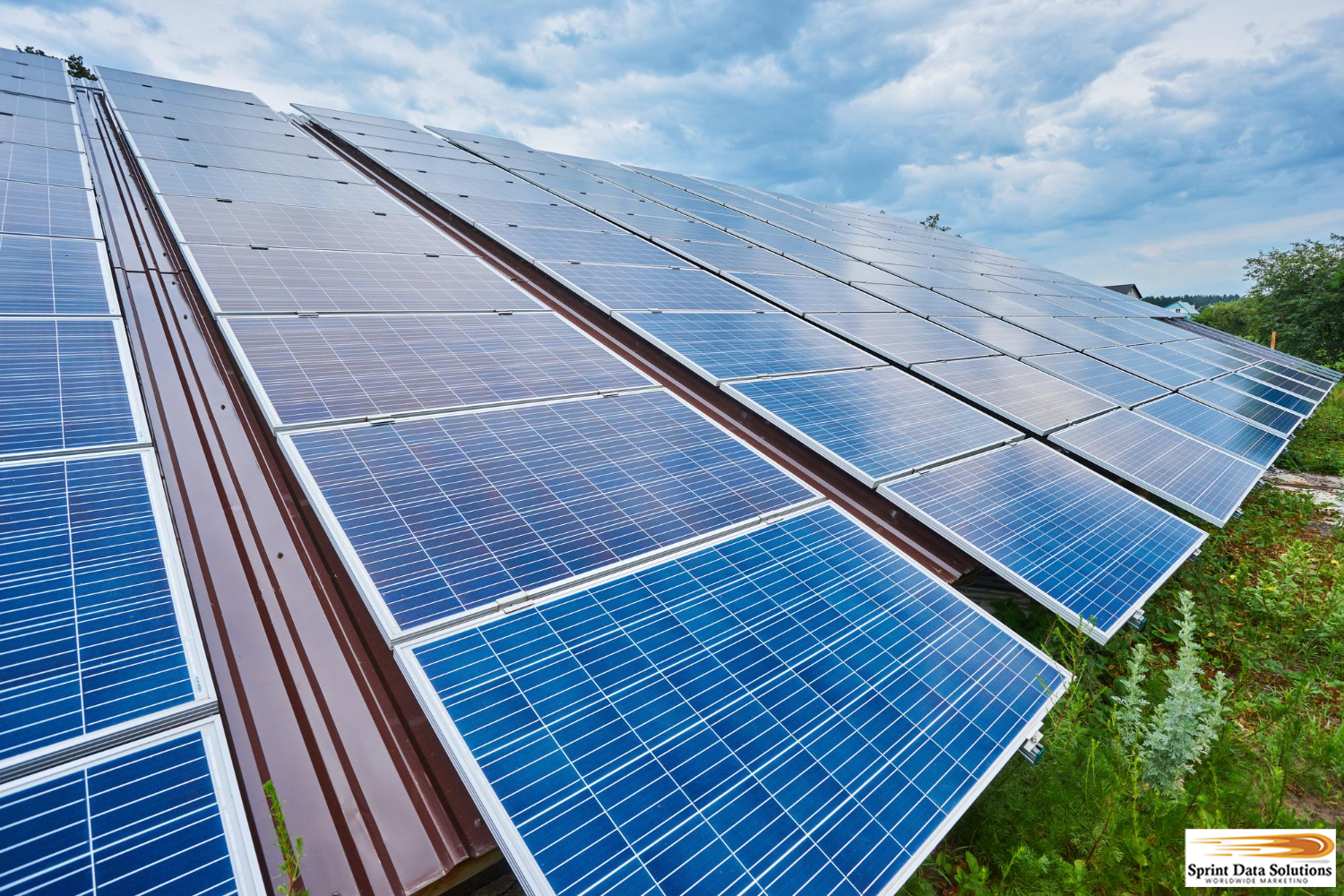
Solar power, both as a scientific concept and an applied technology, has existed for decades, and its evolution reflects the broader advancements in energy efficiency and sustainability. As early as the 1950s, solar cells were developed for use in space technology, powering satellites with minimal surface area. By the 1980s, solar panels had found their way into consumer electronics like calculators and watches—devices that required only small trickles of power. Back then, solar energy for large-scale generation was theoretically possible but logistically challenging. Early solar farms required expansive plots of land, often in arid regions like California’s Mojave Desert, to accommodate wide arrays of panels. Some even used heliostat systems—motorized mirrors that tracked the sun—to maximize sunlight capture. These systems were expensive, maintenance-intensive, and limited in scalability.
Fast-forward to today, and solar power has undergone a technological revolution. The efficiency of photovoltaic (PV) cells has more than doubled in recent decades, with modern panels now converting sunlight into electricity at rates exceeding 20%—a major leap from the 5–10% efficiency seen in earlier models. Innovations in materials science, such as the development of monocrystalline and polycrystalline silicon cells, have allowed manufacturers to produce more powerful panels at lower costs. This means homeowners can now install a relatively compact solar array on a standard rooftop and generate enough electricity to fully power their household needs. Many systems even produce excess energy, which can be fed back into the grid through net metering agreements—potentially lowering utility bills or even generating passive income for homeowners.
Additionally, solar power has become increasingly modular and accessible. Portable solar generators, solar carports, and building-integrated photovoltaics (BIPV) offer options for properties where traditional panel installations aren’t ideal. The dropping price of solar technology—down more than 80% over the past decade—has further driven adoption in both residential and commercial markets. Even large-scale utility solar farms are now more cost-effective than many fossil fuel plants in terms of the levelized cost of energy (LCOE).
What was once an experimental and niche energy solution is now a mainstream, scalable, and economically viable form of power generation. With growing concerns over climate change, rising electricity costs, and energy independence, solar energy continues to gain traction among homeowners, businesses, and governments alike. From individual rooftops to nationwide infrastructure plans, solar power is no longer just an alternative—it is a cornerstone of the global transition toward cleaner, more sustainable energy systems.
A Stable Alternative
One of the most compelling advantages of solar power over other methods of electricity generation is the reliability and long-term stability it offers to users. While renewable energy sources like wind have shown tremendous promise, their effectiveness can be heavily dependent on environmental conditions. Wind turbines, for example, require consistent airflow to operate efficiently, and in regions with variable wind patterns, power generation can be inconsistent and unpredictable. Solar panels, on the other hand, have fewer operational dependencies. Even on overcast or rainy days, modern photovoltaic systems are capable of generating electricity—albeit at reduced capacity—making them more consistent performers across a variety of climates and seasons.
Beyond performance stability, solar power also provides a remarkable degree of economic reliability. Once the installation costs of a solar panel system are covered, the ongoing operational expenses are minimal. This allows homeowners and businesses to significantly reduce or even eliminate their reliance on utility-provided electricity. In many cases, properties become net-positive producers, sending surplus electricity back to the grid and benefiting from net metering policies that translate into utility credits or even monthly payments. This ability to lock in predictable, long-term energy costs provides a hedge against fluctuating energy prices, which are often impacted by global market volatility, geopolitical conflicts, trade tariffs, and fossil fuel supply constraints.
In contrast, conventional energy sources like oil and natural gas are subject to dramatic price shifts due to factors beyond the average consumer’s control. Conflicts in energy-producing regions, international sanctions, supply chain disruptions, and regulatory changes can all impact the cost of energy. Solar power effectively shields users from these unpredictable spikes. As electricity prices continue to rise due to inflation and infrastructure costs, the savings offered by solar become even more attractive and valuable.
Additionally, solar energy supports a high level of energy independence. Unlike backup generators that require fuel—often in short supply during natural disasters or emergencies—solar panel systems operate autonomously, especially when paired with battery storage units like Tesla Powerwalls or similar technology. This means that even during widespread grid outages, homes and businesses with solar-plus-storage setups can continue to operate essential systems, including lighting, climate control, refrigeration, communications, and security. This is especially critical for businesses with 24/7 operations or for families relying on electrically powered medical equipment.
It’s Not Just Homes
While solar panels have become increasingly popular among homeowners seeking energy independence and lower utility bills, the advantages of solar power extend well beyond private residences. Commercial and industrial sectors are also realizing the substantial value of upgrading to a more reliable, clean, and cost-effective source of power. For businesses, where operational costs and continuity are critical to success, solar energy offers both immediate and long-term financial returns, environmental credibility, and strategic resilience.
Beyond savings, solar adoption also signals environmental responsibility, which can enhance a brand’s reputation and align with the values of modern consumers and partners who prioritize sustainability. In industries where ESG (Environmental, Social, and Governance) metrics are increasingly scrutinized, integrating solar technology can boost corporate image, attract investors, and meet regulatory requirements or sustainability goals.
Some of the types of businesses that stand to gain the most from solar power include:
Manufacturing
Manufacturing operations are among the most energy-intensive sectors in the economy, making them prime candidates for solar energy adoption. These facilities often span thousands of square feet, with large, flat rooftops that provide ideal real estate for high-output solar panel installations. This unused surface area can be transformed into a self-generating energy hub that dramatically offsets the electricity required to power heavy machinery, lighting, ventilation, and temperature control systems.
The upfront investment in a commercial solar system can be quickly justified by the sheer volume of power it offsets. With high energy consumption and the potential for demand charges on peak usage, manufacturers can realize substantial monthly savings. Additionally, federal tax incentives like the Investment Tax Credit (ITC), bonus depreciation, and various state rebates further enhance ROI and shorten payback periods. Over the long term, solar adoption improves cost predictability and protects manufacturers from utility price volatility, ensuring smoother operational budgeting. By going solar, manufacturers not only enhance operational efficiency but also strengthen their ESG profiles and appeal to sustainability-conscious clients and partners.
Livestock
The livestock industry plays a crucial role in food production, and solar power offers significant benefits to operations that demand reliability and high energy usage. Facilities that house poultry, cattle, or swine often require climate-controlled environments to protect animal welfare, especially during extreme weather conditions. Heating systems, ventilation, automatic feeders, and water pumps all depend on a stable and consistent power supply—creating a large and continuous energy demand.
For large barns and agricultural buildings, rooftop solar provides a practical solution. These structures are typically low-rise with expansive, sun-exposed surfaces, ideal for accommodating sizable solar arrays. Solar power can dramatically reduce electricity bills by supplementing grid electricity or even allowing the facility to operate independently during daylight hours. In areas with net metering policies, excess energy generated can be sold back to the grid, creating an additional revenue stream or offsetting energy usage at night.
Commercial
It’s not just manufacturing and industrial businesses that can benefit from solar power—many companies in the white-collar and service sectors stand to gain substantially as well. From tech startups and financial firms to marketing agencies, law offices, and healthcare providers, most modern office-based businesses operate in environments that are increasingly reliant on constant electrical power. While their equipment may not be as energy-hungry as heavy machinery, the continuous operation of computers, servers, lighting, phone systems, copiers, and HVAC units adds up to a significant energy load over time.
Office buildings, in particular, are excellent candidates for solar installations due to their large roof space and consistent daytime energy usage. Installing solar panels on rooftops, carports, or adjacent open land allows businesses to offset a large percentage of their energy costs. In sun-rich regions, a well-designed solar array can even exceed daytime consumption needs, creating surplus energy that can be stored in batteries or exported back to the grid through net metering programs—generating credits or potential revenue.
For larger organizations with higher energy demands, it’s increasingly feasible to become entirely energy self-sufficient or “off the grid,” reducing vulnerability to energy price fluctuations, peak-demand charges, or utility outages. Additionally, the long-term cost predictability and potential tax incentives associated with solar adoption enhance the return on investment. Transitioning to solar also helps fulfill corporate sustainability goals and supports ESG (Environmental, Social, Governance) reporting, which is growing in importance for stakeholders, clients, and investors alike.
Retail
Retail businesses are significant consumers of electricity due to their need to power lighting, HVAC systems, electronic point-of-sale equipment, digital signage, and essential security infrastructure such as surveillance cameras and anti-theft sensors. This energy demand becomes even more pronounced in larger retail operations, including big box stores, strip malls, department stores, and shopping centers—especially those that own or lease standalone buildings with expansive footprints. These types of properties typically feature large, flat rooftops and wide parking lots, many of which remain underutilized for energy production.
By installing solar panels on these rooftops or integrating solar canopies into parking structures, retail operators can unlock substantial savings. Solar power offers not only a clean and renewable energy source but also a highly predictable one. Unlike traditional utility costs that fluctuate with peak hours, seasonal changes, or fuel price spikes, solar energy provides a stable and measurable return—effectively fixing part of a business’s operational budget.
Depending on the scale of the solar array, businesses can dramatically reduce their electricity bills or even achieve net-zero energy consumption, feeding excess energy back to the grid where local policies permit. This doesn’t just trim operating costs; it transforms energy into a strategic asset. With many utility-scale retail centers consuming thousands of kilowatt-hours per month, the cumulative savings over time can reach hundreds of thousands—or even millions—of dollars.

Residential
One of the most transformative applications of solar power has been in the residential sector, where homeowners are increasingly turning to solar energy to take control of their electricity usage and expenses. Utility rates can vary significantly not just from state to state, but even within different regions of the same city, often depending on local demand, infrastructure costs, and the pricing models used by power companies. This can result in unpredictability for household budgets, especially when variable-rate structures impose higher charges during peak usage times.
By installing a solar energy system, homeowners gain the ability to stabilize their electricity expenses and generate their own clean power. Modern solar panels are highly efficient and can meet most, if not all, of a household’s daily energy needs. For nighttime or backup power, home battery storage systems—such as Tesla Powerwalls or LG Chem RESU batteries—can store surplus solar energy generated during the day. This enables a home to operate smoothly after sunset or during outages without drawing from the grid. With the right system in place, homeowners can not only protect themselves from rising energy costs but also reduce their carbon footprint and increase the value of their property.
Rural Residents
For individuals and families living in rural or remote areas, solar power can be a game-changer—offering both energy security and autonomy. While many rural homes do have access to grid electricity, power outages in these regions tend to last longer and are more difficult to repair due to lower population density and extended service distances. In such cases, municipal repair crews often prioritize urban and suburban locations, leaving rural customers waiting hours or even days for service restoration, especially during severe weather events, wildfires, or equipment failures.
Solar installations, particularly when paired with battery storage, can deliver uninterrupted power regardless of grid conditions. These systems allow rural homeowners to become largely or fully energy independent, ensuring continued operation of essential appliances, water pumps, heating or cooling systems, and communication tools during blackouts. For homesteads, ranches, or farms that are situated far from the nearest substation, solar also reduces the need for costly infrastructure extensions, which can be prohibitive to install or maintain.
In regions where access to utilities is inconsistent or unreliable, solar energy offers rural residents a stable, renewable, and cost-effective alternative—enabling self-reliance and peace of mind in the face of uncertain grid performance.
Who Is Sprint Data Solutions Worldwide Marketing?
Sprint Data Solutions Worldwide Marketing is a proudly American-owned and operated company founded in Las Vegas, Nevada. The business was established by a disabled veteran who, after serving the country with honor, committed to building a company focused on helping other American businesses grow and thrive. Driven by a core commitment to integrity, performance, and client satisfaction, Sprint Data Solutions experienced consistent growth—transforming from a local startup into a nationally recognized name in the marketing industry. Today, the company is backed by a dedicated team with over 50 years of combined expertise in data-driven marketing and strategic outreach.
The company began by specializing in direct mail marketing, a foundational service that developed its team’s core competencies in data acquisition, list segmentation, database management, and performance analytics. This deep understanding of consumer behavior and demographic profiling allowed Sprint Data Solutions to transition seamlessly into digital marketing when the Internet revolutionized outreach methods. The firm was quick to adopt emerging technologies such as email marketing, programmatic advertising, and multichannel data integration, securing an early advantage that benefited both the company and its clients across multiple sectors.
Sprint’s reputation for reliability and results soon drove a geographic expansion. What started as a Nevada-focused operation quickly grew into a nationwide provider of marketing solutions, extending services to all 50 U.S. states, including Alaska and Hawaii. Recognizing the demand for cross-border outreach, the company further broadened its capabilities to support marketing efforts across Canada and Mexico, effectively covering the full North American market. With continued success and infrastructure development, Sprint Data Solutions now empowers clients to reach international audiences as well, offering access to highly targeted consumer and business data in European Union countries such as France, Germany, and beyond.

How We Can Help
Sprint Data Solutions Worldwide Marketing has spent years developing one of the most comprehensive and dynamic contact databases in the marketing industry. This extensive repository of data includes millions of records across both consumer and business categories. It has been built not only through direct data acquisition efforts but also through long-standing alliances with reputable third-party data providers. These partnerships significantly expand the breadth and depth of available contacts, ensuring that clients have access to one of the most diverse and reliable databases in the market.
All data is collected using fully ethical, transparent, and legally compliant methods. Information is sourced through opt-in email programs, website account creation, newsletter subscriptions, service sign-ups, online surveys, promotional event participation, and even physical methods such as the voluntary submission of business cards. Every data point is gathered with permission and aligned with data privacy regulations such as CAN-SPAM, GDPR, and CCPA, providing clients peace of mind in knowing their campaigns are rooted in responsible marketing practices.
Critically, Sprint’s databases are not static; they are living ecosystems, regularly reviewed and updated to ensure accuracy, relevance, and effectiveness. Data verification processes are routinely conducted to remove outdated or obsolete contacts. This includes updating records for student status changes, employment shifts, address changes, and life events such as retirements or deaths. Maintaining data hygiene is essential to ensuring that outreach campaigns are not just widespread but precisely targeted and responsive.
A core strength of Sprint’s system is its ability to deliver geographically tailored data. Clients with broad objectives can access national-level contacts for sweeping, high-impact campaigns. Others with more focused goals can drill down by region, state, city, or even hyper-localized zones such as ZIP codes or neighborhoods. Whether the goal is to reach consumers across the Pacific Northwest or specifically in the River Oaks district of Houston, Sprint’s platform ensures precise geographic segmentation.
In addition to geographic targeting, the platform excels at demographic and psychographic segmentation. Campaigns can be tailored based on ethnicity, language preferences, religious affiliation, income level, homeownership status, age bracket, family composition, and even lifestyle or medical conditions. For example, marketers can focus on Catholic families in New Jersey, affluent retirees in Palm Beach, or Hispanic diabetics in Southern California. This depth of targeting results in highly personalized messaging, greater engagement rates, and improved campaign performance.
Sprint Data Solutions Worldwide Marketing doesn’t just provide contact lists—it delivers strategic access to the audiences most likely to respond. Through ethical data collection, advanced analytics, and deep customization, Sprint empowers its clients to connect with precision, reduce waste, and achieve more meaningful outcomes in every marketing effort.
Database Formats & More
Sprint Data Solutions Worldwide Marketing offers highly versatile and customizable contact data, formatted specifically to support a wide range of marketing strategies. Whether your campaign is built around traditional outreach or digital innovation, we can deliver the exact type of contact information your marketing plan requires. For direct mail campaigns, we provide accurate and regularly updated physical mailing addresses for both residential consumers and business entities. These can be filtered by region, industry, income bracket, or other targeted attributes to increase message relevance and conversion rates.
For digital marketing campaigns, our databases include validated email addresses that support both B2C (business-to-consumer) and B2B (business-to-business) initiatives. When targeting businesses, we ensure that the email contact is not generic but routed directly to key decision-makers—such as purchasing managers, marketing directors, or C-level executives—depending on your product or service offering. For phone-based outreach strategies, including telemarketing or voice-based lead qualification, we provide landline and mobile phone numbers for consumers, as well as direct lines for high-level contacts in B2B campaigns. Our mobile number database also supports SMS/text message marketing, making it ideal for flash promotions, appointment reminders, or time-sensitive updates.
For businesses unfamiliar with executing direct mail campaigns, Sprint Data Solutions also offers full-service turnkey direct mail solutions. This all-in-one service guides clients through the entire direct mail lifecycle—from concept development and creative design to printing, list targeting, and final distribution. Our team manages every aspect of the project under one roof, eliminating the need for third-party vendors and ensuring quality control, time efficiency, and cost-effectiveness throughout the process. This solution is especially valuable for small businesses or first-time marketers looking to leverage the tangible impact of physical mail without the logistical complexities.
If your business is in the solar energy industry—or offers adjacent products and services such as energy-efficient appliances, roofing, battery storage, or home automation—Sprint Data Solutions Worldwide Marketing can provide you with the highly targeted leads you need. Our data-driven lists can be filtered by homeowner status, household income, geographic solar potential, prior interest in green energy, and more, helping your message reach exactly the right audience.
When you’re ready to launch a campaign that drives real results, contact Sprint Data Solutions Worldwide Marketing. We don’t just supply leads—we provide strategic access to the prospects that move your business forward.